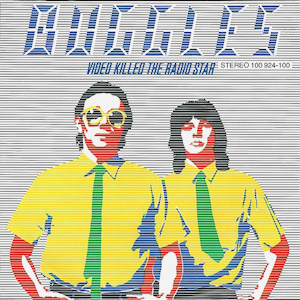
On August 1, 1981, at precisely 12:01 a.m. EST, a new era in popular culture dawned. The world watched (or rather, those with access to cable television did) as MTV, the revolutionary music television channel, flickered to life. The very first music video to grace its airwaves was none other than The Buggles’ synth-pop classic, “Video Killed the Radio Star.” This moment was more than just a song playing; it was a cultural prophecy fulfilling itself, a poignant, ironic twist in the narrative of how music would be consumed forevermore. The song, which paradoxically lamented the decline of the traditional Radio Star, became the very instrument through which video asserted its dominance, forever altering the landscape of stardom and media.
The Genesis of a Prophecy: "Video Killed the Radio Star"
Before it became a symbol of a media revolution, “Video Killed the Radio Star” was a testament to late 1970s innovation. Penned primarily by Trevor Horn and Bruce Woolley, with contributions from Geoff Downes, the song emerged from an era grappling with rapid technological change. Released on September 7, 1979, as the lead single from The Buggles’ debut album, The Age of Plastic, its lyrics offered a poignant critique: a lament for a bygone era where auditory charm alone could propel a Radio Star to fame, now threatened by the visually-driven future. The song spoke of nostalgia for the golden age of radio, where imagination painted the pictures, and voices reigned supreme.
The creation of the track itself was groundbreaking. Recorded at Sarm East Studios in London, Trevor Horn's production was ahead of its time. It featured extensive vocal processing, compression, and echo effects that gave the vocals a futuristic, synthetic sheen. Synthesizers, notably the Minimoog, were layered with live drums by Paul Robinson, crafting a sound that perfectly encapsulated the transition towards electronic music. Backing vocals from Debi Doss and Linda Jardim added to its ethereal quality. This meticulously crafted soundscape, inspired by science fiction writers like J.G. Ballard, showcased The Buggles' vision of technology reshaping artistry. The original demo, recorded in Geoff Downes’ flat and even featuring vocals by Tina Charles at one point, was refined with a new intro and middle eight, transforming it into the synth-pop anthem we recognize today. The brilliance of The Buggles was not just in their catchy melodies but in their keen foresight into the evolving relationship between technology and entertainment, particularly how it would impact the traditional *radio star*.
MTV's Big Bang: August 1, 1981
The moment "Video Killed the Radio Star" premiered on MTV was nothing short of a seismic event for the music industry. It wasn't merely the debut of a channel; it was the birth of a new cultural arbiter. The choice of The Buggles' video was serendipitous, almost a self-fulfilling prophecy. Here was a song that articulated the anxiety of visual media superseding audio, yet it was the very vehicle for that transition. The music video, directed by Russell Mulcahy and produced on a modest budget of $50,000, was a simple yet effective visual representation of the song's theme, featuring imagery of old radio equipment and space-age technology.
MTV's launch immediately redefined what it meant to be a musical artist. No longer was a compelling voice or a captivating sound enough. Artists now needed a visual identity, a persona that could translate to the screen. The channel created a demand for high-quality, engaging music videos, pushing artists and record labels to invest heavily in visual content. This shift inadvertently spelled the metaphorical "death" of the traditional Radio Star – the artist whose image was left solely to the listener's imagination. In its place emerged the "video star," an artist whose success was often intertwined with their on-screen charisma and the creativity of their visual storytelling. This shift was profound, influencing everything from song structure to artist development and marketing strategies.
Beyond the Airwaves: The Irony and Legacy
The most enduring aspect of "Video Killed the Radio Star" is its supreme irony. A song whose lyrics lamented the obsolescence of the auditory Radio Star in favor of video, became the very first broadcast on a channel that would cement video's cultural dominance. This paradox cemented its place in music history, not just as a catchy tune, but as a cultural commentary that played out in real-time.
MTV’s influence, spearheaded by this iconic launch, fundamentally reshaped the music industry. It catalyzed a shift where visual appeal became as crucial as auditory quality. Record companies began prioritizing artists who could produce compelling videos, and live performances increasingly incorporated elaborate visual elements. This era saw the rise of global superstars whose images were as recognizable as their voices. Furthermore, MTV's model foreshadowed future digital media disruptions, laying the groundwork for platforms like YouTube, where visual content reigns supreme and aspiring artists can bypass traditional gatekeepers entirely. While The Buggles themselves had a relatively brief performing tenure, disbanding after two albums as Trevor Horn pursued a legendary career as a producer (working with acts like Yes and Frankie Goes to Hollywood), the track has endured. It's been covered by diverse artists, sampled in modern media, and remains a touchstone for discussions on technological evolution and its impact on culture. The song is a powerful reminder that while technology advances, the underlying anxieties about change and nostalgia for the past persist.
Redefining Stardom: The Ever-Changing "Radio Star"
The concept of a "Radio Star" has evolved dramatically since its initial emergence. Historically, as noted by Merriam-Webster, the term first appeared in 1948, primarily referring to a "cosmic radio source." This scientific definition stands in stark contrast to the pop culture icon the term would later represent – a personality whose fame resonated purely through the airwaves. The Buggles' song cemented this popular understanding while simultaneously declaring its demise.
Today, the traditional "Radio Star" whose fame relies solely on audio presence might seem like a relic. Yet, the spirit of the radio star endures in new forms. Podcasts, audiobooks, and streaming platforms have fostered a renaissance of auditory content, creating new types of audio-centric personalities. However, even these contemporary "audio stars" often find their reach amplified by a visual presence on social media or video platforms. The line between audio-only and visual-inclusive stardom has blurred considerably, demonstrating that while video "killed" the *exclusive* reign of the radio star, it didn't eliminate the medium itself.
For aspiring artists and content creators today, the legacy of "Video Killed the Radio Star" offers crucial insights. The actionable advice is clear: a multi-platform strategy is non-negotiable. While a compelling voice and unique sound remain paramount, understanding the power of visual storytelling – whether through short-form video on TikTok, engaging visuals on Instagram, or long-form content on YouTube – is essential for carving out a presence. The modern "star" must be adept at engaging audiences across various sensory experiences, effectively being both a captivating audio presence and a compelling visual figure. The battle between audio and video isn't about one destroying the other; it's about their dynamic interplay and integration.
The launch of MTV with "Video Killed the Radio Star" was more than just a memorable television moment; it was a cultural inflection point. It perfectly encapsulated the anxieties and excitement surrounding technological change, illustrating how new media forms could redefine stardom and shift entire industries. The song's ironic role in ushering in the visual era, even as its lyrics mourned the passing of the traditional Radio Star, remains a potent symbol of media evolution. As we continue to navigate an ever-changing digital landscape, where virtual reality and AI promise new forms of content consumption, the prophetic words of The Buggles serve as a timeless reminder: the quest for new forms of stardom is an ongoing narrative, constantly reshaped by the technologies we create.